Did you know that logistics costs account for nearly 10-15% of a company’s total revenue? That’s a staggering figure that can make or break your bottom line! I’ve seen countless businesses struggle with rising transportation expenses, inefficient route planning, and warehouse management challenges that drain resources faster than they can be replenished.
But here’s the exciting news: artificial intelligence is revolutionizing how companies approach logistics cost reduction. From instant logistics solutions that provide real-time visibility to on-demand delivery systems that optimize every mile traveled, AI tools are practical necessities for businesses aiming to stay competitive in 2026. Whether you’re managing inbound logistics operations or coordinating complex outbound logistics networks, AI-powered solutions offer unprecedented opportunities to streamline operations and dramatically reduce costs.
Understanding Logistics Costs and AI’s Impact
Logistics costs extend far beyond transportation, they encompass warehousing, inventory management, labor, and administrative overhead. For many organizations, these represent one of the largest operational expenditures. Industry benchmarks reveal that top-performing companies spend 5-7% of revenue on logistics, while average performers spend 10-12%. This gap represents millions in potential savings.
The ROI for AI implementation is compelling. Organizations report cost reductions of 20-35% within the first 18 months of deployment through reduced transportation expenses, optimized inventory levels, improved warehouse efficiency, and decreased administrative burden.
AI-Powered Route Optimization
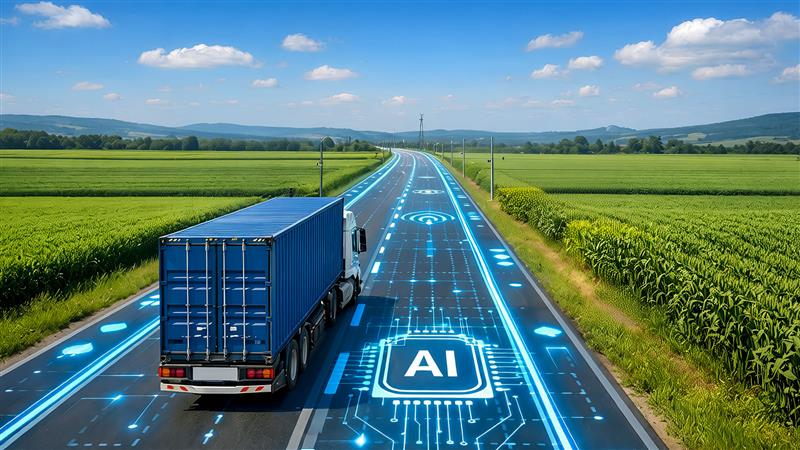
Transportation typically represents 40-50% of total logistics costs. AI-powered route optimization analyzes hundreds of variables simultaneously, traffic patterns, weather forecasts, delivery windows, vehicle capacity, and fuel costs. The algorithms continuously recalculate optimal routes as conditions change throughout the day.
Companies report fuel cost reductions of 15-25% through intelligent route planning. Multi-stop optimization determines the most efficient delivery sequences, particularly powerful when integrated with outbound logistics operations. AI also maximizes load capacity and minimizes empty miles, reducing the number of trips required and cutting costs significantly.
Predictive Analytics for Inventory Management
Inventory costs quietly drain resources through capital tied up in stock, warehousing expenses, and obsolescence. AI-powered demand forecasting predicts future requirements by analyzing historical sales, market trends, economic indicators, weather patterns, and competitive actions. Companies report forecast error reductions of 30-50% when implementing AI solutions.
This accuracy eliminates safety stock buffers, directly reducing carrying costs. Just-in-time inventory strategies become practical with reliable AI forecasting, requiring coordination with inbound logistics partners but delivering significant savings from reduced inventory investment and warehousing requirements. The cash flow impact extends beyond direct savings, reducing excess inventory frees up capital for other strategic investments.
Warehouse Automation and Efficiency
AI-driven warehouse automation has transformed facilities into precision operations. Robotic process automation handles picking, packing, and sorting with speed and accuracy exceeding human capabilities. While initial investment appears substantial, labor cost savings and productivity improvements deliver payback periods of 18-36 months.
AI-powered warehouse management systems optimize storage layouts by placing high-velocity items in accessible locations. Computer vision technology revolutionizes quality control and inventory tracking, eliminating costly manual cycle counts. Energy efficiency improvements through AI-controlled climate and lighting systems reduce utility costs by 15-30%.
Instant Logistics for Real-Time Control
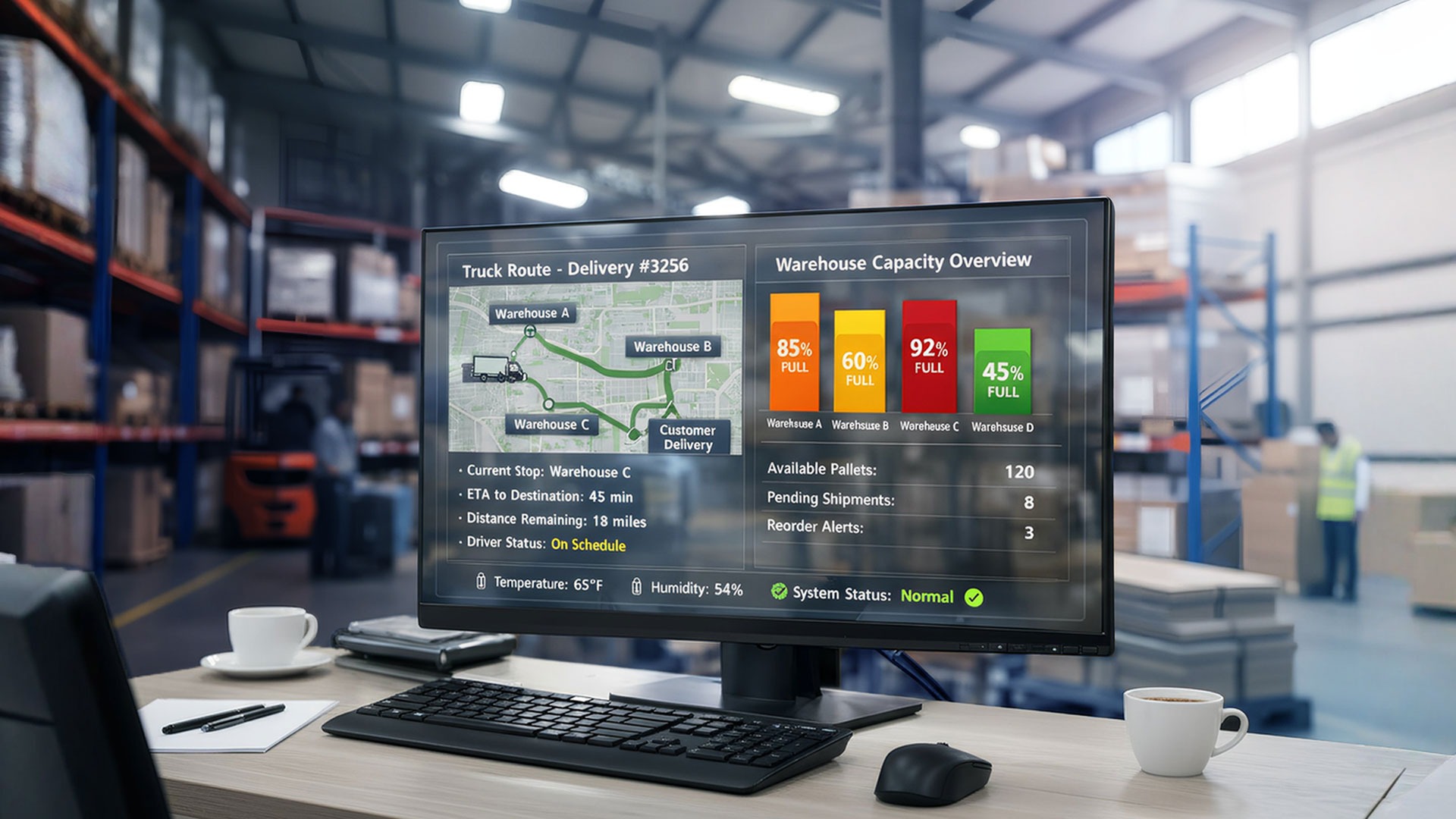
Instant logistics represents a shift from reactive to proactive supply chain management. AI-powered dashboards aggregate data from multiple sources, enabling logistics managers to monitor shipments, carrier performance, warehouse capacity, and cost metrics simultaneously. Intelligent logistics transformation has changed the game.
Exception management capabilities prove particularly valuable, AI continuously monitors operations and generates alerts when anomalies occur. Dynamic pricing and carrier selection optimize each shipment individually, analyzing current market rates and available capacity. This flexibility reduces transportation costs by 10-20% compared to static carrier agreements.
On-Demand Delivery Networks
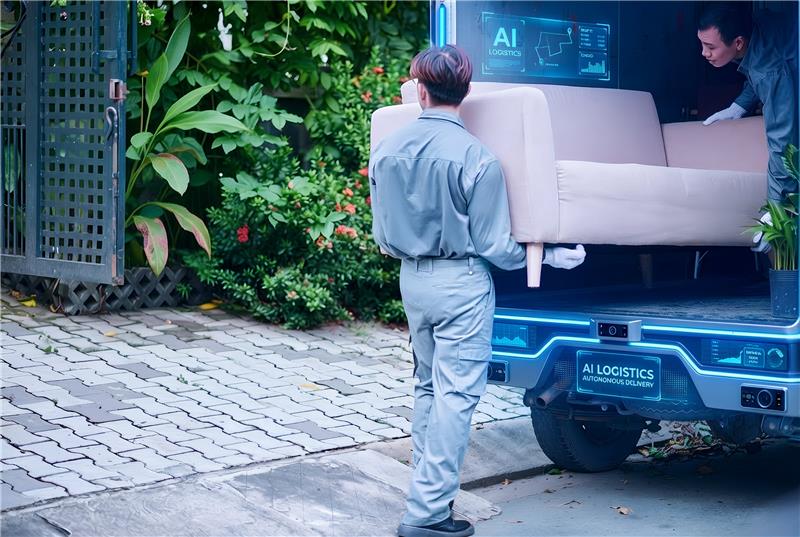
The on-demand delivery revolution challenges traditional models built on fixed assets. AI matching algorithms connect available delivery capacity with current shipping needs in real-time, considering driver location, vehicle type, and delivery requirements. This efficiency reduces overhead while maintaining service quality.
Micro-fulfillment centers, smaller facilities strategically located near customer concentrations, reduce transportation distances and enable faster deliveries. AI determines optimal locations and inventory allocation. Last-mile delivery optimization addresses the most expensive leg, with companies reporting cost reductions of 20-30% through intelligent route planning and alternative delivery methods.
AI-Enhanced Supplier and Carrier Management
AI transforms relationship management by providing comprehensive performance analytics. Carrier performance tracking analyzes damage rates, reliability, and cost-effectiveness across all service dimensions. Automated freight auditing catches billing errors and overcharges, with companies recovering 2-5% of transportation spend—pure profit requiring minimal effort.
AI-powered benchmarking supports contract optimization by analyzing market rates and spending patterns. Risk assessment capabilities predict supplier disruptions by monitoring financial stability, geopolitical factors, and operational metrics, enabling proactive contingency planning.
Reducing Returns and Reverse Logistics Costs

Returns represent one of logistics’ most costly challenges. AI addresses this from multiple angles—predictive analytics identify high-risk orders before shipment, enabling targeted interventions. Quality prediction models reduce defective shipments by identifying production issues before products reach customers.
Intelligent return routing optimizes the path of returned goods, determining whether items should go to the original warehouse, a closer facility, or directly to liquidation. Customer behavior analysis reveals patterns that inform product improvements, addressing root causes rather than symptoms.
Implementation Strategy
Successfully implementing AI requires systematic planning. Assess current operations to identify high-impact improvement areas where AI delivers the greatest return. Most AI logistics solutions deliver positive ROI within 12-24 months.
Start with pilot programs testing solutions on limited scale—perhaps a single warehouse or transportation lane. This approach limits risk while generating proof points. Define clear KPIs before implementation: transportation cost per unit, inventory turnover, order accuracy, and on-time delivery performance. Scale gradually from pilot to enterprise-wide implementation as teams develop competency.
Address data quality issues before deployment through audits and cleanup efforts. Partner with vendors offering strong support and training. Communicate transparently about AI’s role in augmenting rather than eliminating human judgment, building employee buy-in through involvement in planning.
The Future of AI in Logistics
Autonomous vehicles, blockchain integration, and quantum computing promise even greater cost reduction opportunities. 5G networks and edge computing enable faster, more responsive AI decisions. The companies that monitor developments and prepare for emerging technologies will maintain competitive advantages.
Conclusion
Reducing logistics costs through AI isn’t about cutting corners—it’s about working smarter. Transportation optimization, demand forecasting, warehouse automation, instant logistics visibility, and on-demand delivery flexibility all contribute to 20-35% cost reductions for organizations implementing them strategically.
Start by assessing current logistics costs and identifying high-impact opportunities. Choose proven solutions from reputable vendors. Invest in data quality and change management. The technology is accessible, affordable, and proven effective. Small improvements compound into substantial savings when applied consistently.
Every dollar saved in logistics drops directly to the bottom line. The investment typically pays for itself within 18-24 months, with benefits accelerating as systems learn continuously. Don’t let outdated processes drain resources that could fuel growth!
Ready to reduce your logistics costs with AI? Contact Wahyd Logistics today to discover how our innovative solutions can optimize your supply chain operations and deliver measurable savings. Let’s transform your logistics from an expense into a strategic advantage!