The moving industry is getting disrupted and your next relocation will be better for it.
Moving to a new home has always been a nightmare. The endless phone calls. The sketchy estimates that balloon on moving day. The anxiety of watching strangers handle your most valuable possessions. But a wave of venture-backed startups and logistics platforms is finally solving one of life’s most persistently awful experiences.
I’ve tracked the evolution of moving tech for years, and 2026 marks an inflection point. Today’s house shifting apps leverage real-time GPS tracking, AI-powered pricing algorithms, and verified contractor networks to deliver what traditional movers never could: transparency, accountability, and actual customer service.
Whether you’re relocating across town or across the country, the right app can save you hundreds of dollars and eliminate the stress that’s defined moving for generations. Here’s what’s actually worth downloading.
Why Apps Are Eating the Moving Industry
The traditional moving industry operated on information asymmetry. Customers had no way to verify quotes, compare options efficiently, or hold movers accountable. Apps changed the equation entirely.
Cost transparency comes first. Instant quotes from multiple movers eliminate the haggling and uncertainty that plagued the old model. You see real prices from real companies, not vague estimates that triple on moving day.
Verified reviews create accountability loops that didn’t exist before. A bad experience doesn’t just cost a company one customer, it damages their rating permanently. This shifts incentives dramatically toward quality service.
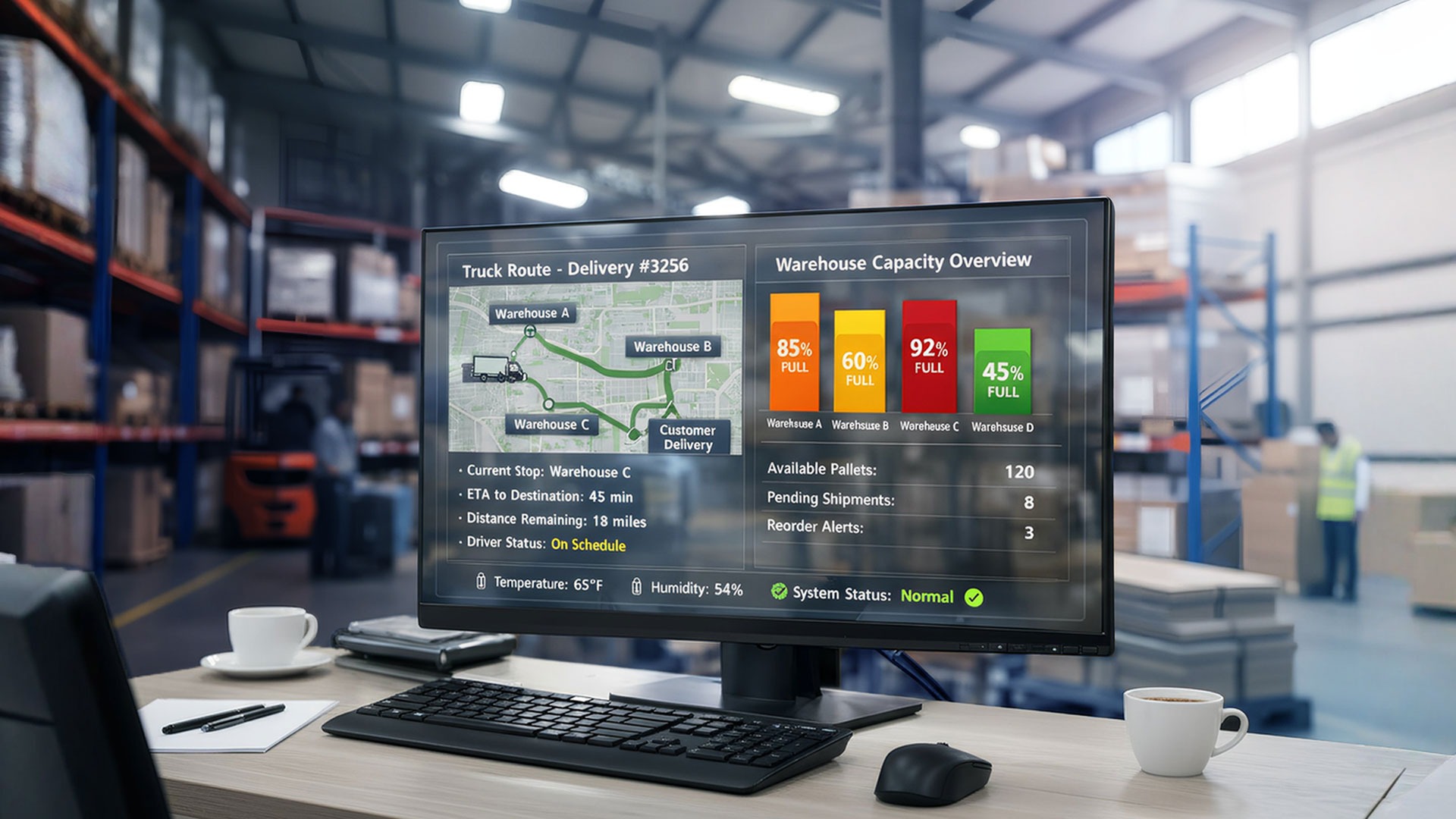
Real-time tracking solves the “where are my things?” anxiety that’s haunted every long-distance move in history. GPS updates provide the visibility that was technically impossible in the pre-smartphone era.
The result? What required hours of phone calls now takes minutes of comparison shopping and the market is responding, venture funding in moving tech exceeded $500M in 2025 alone.
The Apps Actually Worth Your Time

1. Wahyd Logistics Shipper App – Best for Comprehensive Logistics
The pitch: Enterprise-grade logistics infrastructure, now available to consumers.
Wahyd took a different approach than most consumer moving apps. They built logistics software for businesses first, then opened it to individual shippers. The result is industrial-strength tracking, verified carrier networks, and pricing transparency that feels more like Amazon than your dad’s moving company.
The platform’s standout feature is its integration of smart logistics technology with traditional moving services. You get instant quotes from multiple verified movers, real-time GPS tracking throughout transit, and digital inventory management that makes the entire process feel like ordering from a well-designed e-commerce platform.
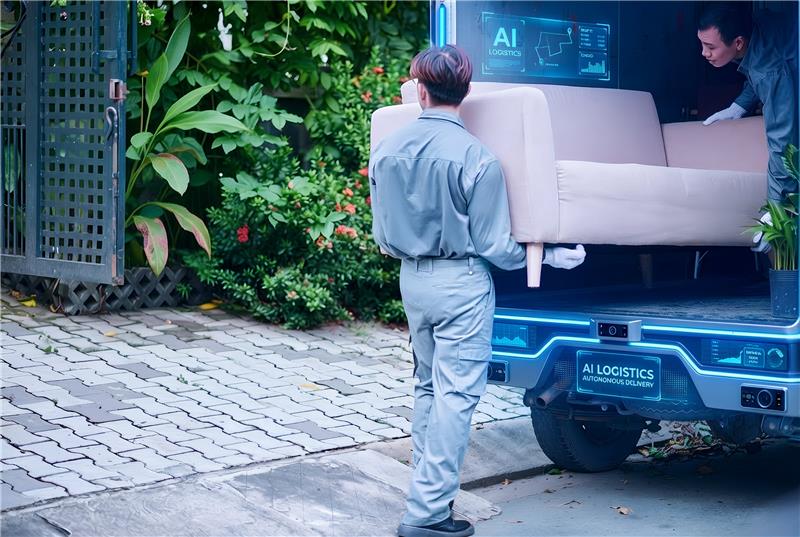
Their approach mirrors how companies reduce damage in furniture transport applying AI-powered route optimization and IoT monitoring to residential moves. The app’s interface lets you photograph and catalog every item, making insurance claims seamless if anything goes wrong.
Wahyd’s bet is that consumers increasingly expect Amazon-level logistics for everything, including moving. Early traction suggests they’re right.
Best for: Tech-savvy movers, long-distance relocations, anyone who values tracking and transparency over price alone, anyone needing labor without the full-service markup.
2. Bellhops – Best for Local Moves
The pitch: Uber for moving, powered by college students and gig workers.
Bellhops reimagined local moving as an on-demand service. Their transparent hourly pricing ($90-150 for a two-person team) makes budgeting straightforward. All workers pass background checks, and the app’s rating system ensures quality remains high.
The company raised over $30M from investors betting that local moving would follow the same trajectory as ride-sharing: fragmented, inefficient incumbents disrupted by a networked platform with better UX.
Best for: Budget-conscious local movers, apartment dwellers, anyone needing labor without the full-service markup.
3. Unpakt – Best for Comparing Multiple Movers
The pitch: Turn moving into a reverse auction where companies compete for your business.
Unpakt’s marketplace model is elegantly simple: you create a detailed inventory, and licensed movers bid for your job. The competitive dynamics typically drive prices 20-30% below traditional quotes.
What differentiates Unpakt is the binding estimate model. Unlike traditional non-binding quotes that can explode on moving day, Unpakt’s prices are guaranteed. The company verifies all mover licenses and insurance, adding a trust layer that’s critical when you’re entrusting strangers with everything you own.
Best for: Long-distance moves, price-conscious consumers, first-time movers who need hand-holding.
4. Dolly – Best for Quick, Small Moves
The pitch: Same-day delivery for furniture and small moves, powered by a network of truck owners.
Dolly occupies the gap between “I’ll move it myself” and “I need a full moving company.” Need that West Elm couch delivered today? Dolly can typically arrange pickup within hours. Their straightforward pricing, calculated upfront based on item size, distance, and helper requirements, eliminates surprise fees.
The company has processed over 2 million deliveries since launch, proving demand for this middle market. It’s particularly popular for furniture pickups from stores, single-item moves, and clearing out storage units.
Best for: Last-minute moves, single-item transport, furniture deliveries, small apartment relocations.
5. Updater – Best for Full-Service Move Management
The pitch: Move concierge that handles everything beyond physical transportation.
Updater recognized that moving involves way more than just truck rental. Their platform automates utility transfers, updates your address with hundreds of companies simultaneously, books cleaning services, and coordinates with movers, all from one interface.
The company’s premium tier includes a dedicated move concierge who handles the details most people forget: DMV notifications, voter registration updates, subscription address changes. It’s productized peace of mind.
Over 1 million people used Updater in 2025, and their partnerships with apartment buildings and real estate platforms create network effects that competitors struggle to match.
Best for: Busy professionals, families with complex moves, anyone willing to pay for convenience.
6. U-Haul Mobile App – Best for DIY Movers
The pitch: The incumbent adapts 75 years of moving expertise, now mobile-first.
U-Haul could have ignored the app economy. Instead, they built a surprisingly competent mobile experience that streamlines their traditional business. Reserve vehicles, extend rentals, find storage facilities, purchase packing supplies, all in-app.
The legacy advantage shows in their network: 23,000 locations versus competitors’ hundreds. Their pricing remains among the most affordable, especially for local moves where you’re willing to do the labor yourself.
Recent updates added features like mobile truck unlocking at select locations and 24/7 roadside assistance access, table stakes for modern apps, but appreciated nonetheless.
Best for: Budget movers, short-distance relocations, anyone with more time than money.
What Actually Matters When Choosing
The feature differentiation between moving apps comes down to a few critical dimensions:
Verified movers: The best platforms conduct background checks, verify licenses, and maintain insurance requirements. This is non-negotiable. Apps that skip verification are gambling with your possessions.
Real-time tracking: GPS visibility matters most for long-distance moves where your things disappear for days. Local moves can sometimes skip this, but it’s increasingly standard.
Transparent pricing: Quality apps show detailed quotes upfront with line-item breakdowns. Red flag: any platform that won’t show pricing until you’ve created an account and entered personal information.
Insurance options: Understand the difference between basic coverage (typically $0.60 per pound—your laptop is worth $3) and full-value protection. The best apps explain this clearly rather than burying it in terms of service.
Customer support responsiveness: Check reviews specifically mentioning support experiences. The app might work great until something goes wrong—then support quality determines whether your move becomes a disaster.
The Safety and Verification Problem
Moving apps face a trust problem that ride-sharing never solved completely: you’re giving strangers access to everything you own, often when you’re not present.
Reputable platforms address this through multi-layer verification: background checks on all movers, business license verification, insurance certificate validation, and minimum service standards. But verification quality varies wildly.
Read recent reviews obsessively, looking for patterns. A few negative reviews among hundreds of positive ones are statistical noise. Consistent complaints about damage, theft, or communication failures are signals to avoid that platform.
Your own precautions matter too: photograph valuable items before moving, keep irreplaceable items (documents, jewelry, hard drives) with you rather than in the truck, and verify mover identity when they arrive using the app’s driver photos and vehicle information.
The Pricing Reality
Moving costs have increased 30% since 2020, driven by labor shortages, fuel costs, and increased demand. Apps haven’t eliminated these fundamentals, but they’ve made pricing more transparent and competitive.
Typical ranges in 2026:
- Local moves: $300-2,000 depending on home size and labor hours
- Long-distance moves: $2,000-10,000+ based on distance and weight
- DIY truck rental: $200-500 for local moves, but requires significant labor
Full-service options cost 3-5x more than DIY but handle everything from packing to furniture assembly. The platforms helping businesses reduce logistics costs using AI are now bringing those same efficiencies to consumer moving through optimized routing and resource allocation.
First-time user discounts, referral bonuses, and seasonal promotions can reduce costs 10-20%. Book during off-peak times (mid-month, mid-week, October-April) for the best pricing and availability.
What’s Coming Next
The moving app space is evolving quickly. Autonomous vehicles will eventually transform long-haul moving economics. AR pre-move planning will help visualize furniture in new spaces before trucks arrive. AI-powered pricing will become more dynamic, adjusting in real-time based on demand.
But the immediate innovations are more prosaic and valuable: better damage prediction through historical data, automated insurance claims processing, and seamless integration with smart home systems for utility transfers.
The companies that win won’t necessarily have the most advanced technology. They’ll be the ones that make a fundamentally stressful experience feel manageable combining technology with actual human support when things inevitably go wrong.
The Bottom Line
Moving apps have genuinely improved an experience that needed improvement desperately.
The right choice depends on your priorities: budget, convenience, distance, or control. But all beat the traditional alternative of calling random moving companies from Google and hoping for the best.
The moving industry fought technology for years. Now that apps have arrived, your next relocation doesn’t have to be the nightmare you remember. Download wisely, plan thoroughly, and move confidently.
The era of moving anxiety is ending. It’s about time.