Did you know that nearly 60% of furniture damage occurs during the transportation phase, costing the industry billions annually? I’ve spent years analyzing logistics operations, and here’s what I’ve learned: the difference between a shattered heirloom and a pristine delivery often comes down to one thing—smart logistics.
Traditional furniture moving relied on muscle and basic padding. Today’s smart logistics revolution combines real-time tracking, AI-powered route optimization, and specialized handling protocols to dramatically reduce damage rates! Whether you’re a logistics manager looking to cut claims, a furniture retailer protecting your reputation, or a customer wondering why your new sofa arrived scratched, understanding smart logistics is crucial.
Understanding the Furniture Transport Damage Problem
Industry data reveals some sobering statistics. Traditional logistics operations report damage rates between 5-15% for furniture shipments, while companies implementing smart logistics systems have reduced that figure to 2-5% or even lower.
The most common culprits behind furniture damage include vibration during long-haul transport, improper stacking that creates pressure points, inadequate packaging that leaves vulnerable areas exposed, and environmental factors like moisture and temperature fluctuations. Insurance claims data shows that furniture damage claims average between $800-$2,500 per incident, with luxury and antique pieces pushing well into five-figure territory.
What makes furniture particularly vulnerable? Its odd shapes don’t stack efficiently, its materials (wood, glass, fabric, leather) each react differently to environmental conditions, and its value-to-weight ratio means even small damage can result in total loss.
What is Smart Logistics in Furniture Transportation?
Smart logistics represents a fundamental shift from reactive problem-solving to proactive damage prevention. At its core, smart logistics uses technology and data to make informed decisions at every stage of the transportation process.
Key components include IoT sensors embedded in packages or vehicles that collect environmental data, GPS tracking systems that monitor location and route adherence, predictive analytics platforms that identify risk patterns, and automated systems that trigger alerts when predetermined thresholds are exceeded. This intelligent logistics transformation is reshaping the entire industry.
Advanced Packaging Technologies That Protect Furniture
Smart packaging materials have evolved far beyond bubble wrap and cardboard boxes. Today’s impact-absorbing foams use memory technology that molds to furniture contours, providing custom protection for each piece. These materials can absorb shock forces up to 10 times better than traditional packing materials.
Custom-molded protection uses 3D scanning technology to create exact digital twins of furniture pieces, then design packaging that fits like a glove. This eliminates movement within the package—one of the primary causes of transit damage.
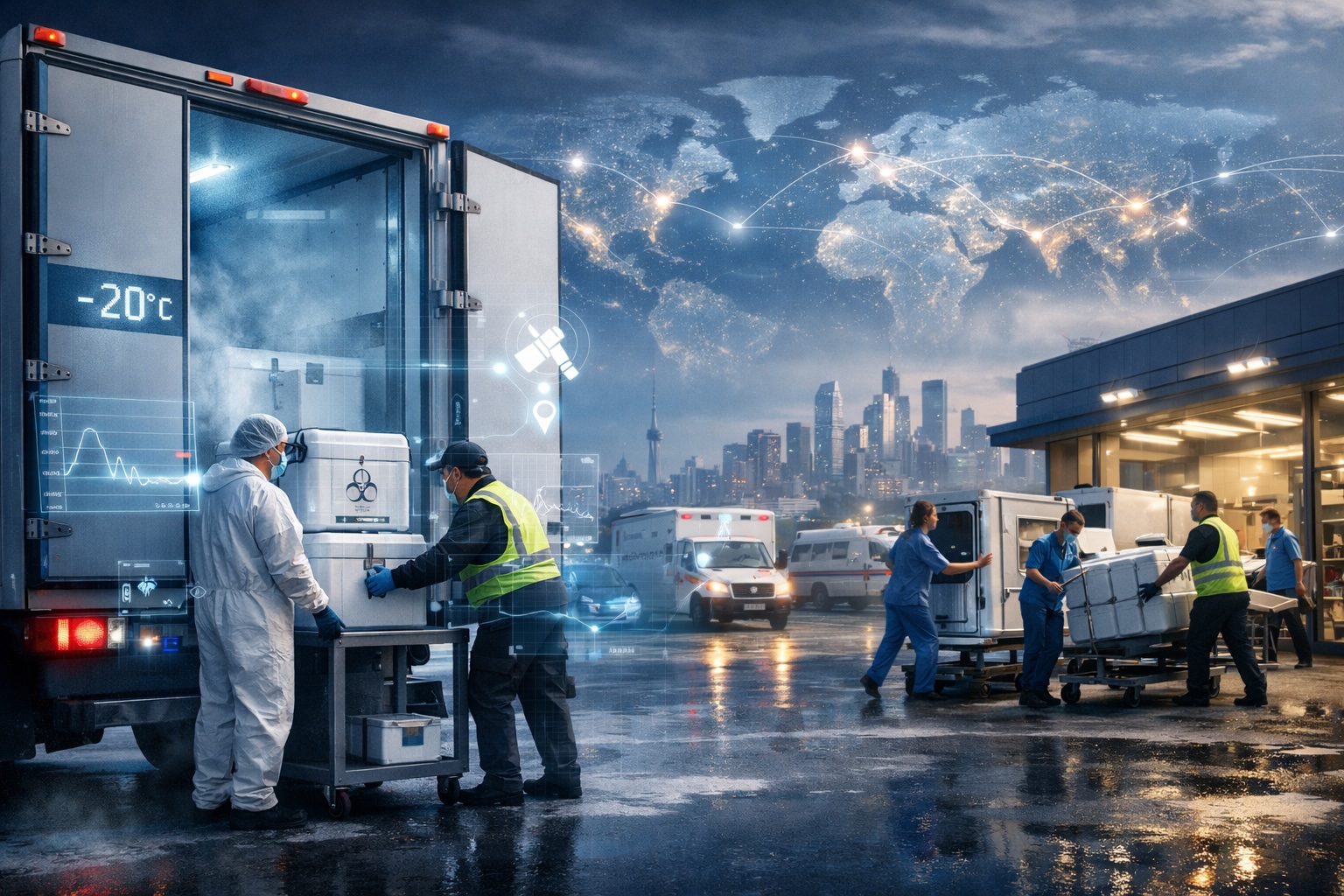
Climate-controlled packaging addresses issues with temperature-sensitive materials. Leather can crack in extreme cold, wood can warp with humidity changes, and certain fabrics can develop mold in moist conditions. Phase-change materials embedded in packaging maintain stable temperatures throughout transit.
Real-Time Tracking and Monitoring Systems
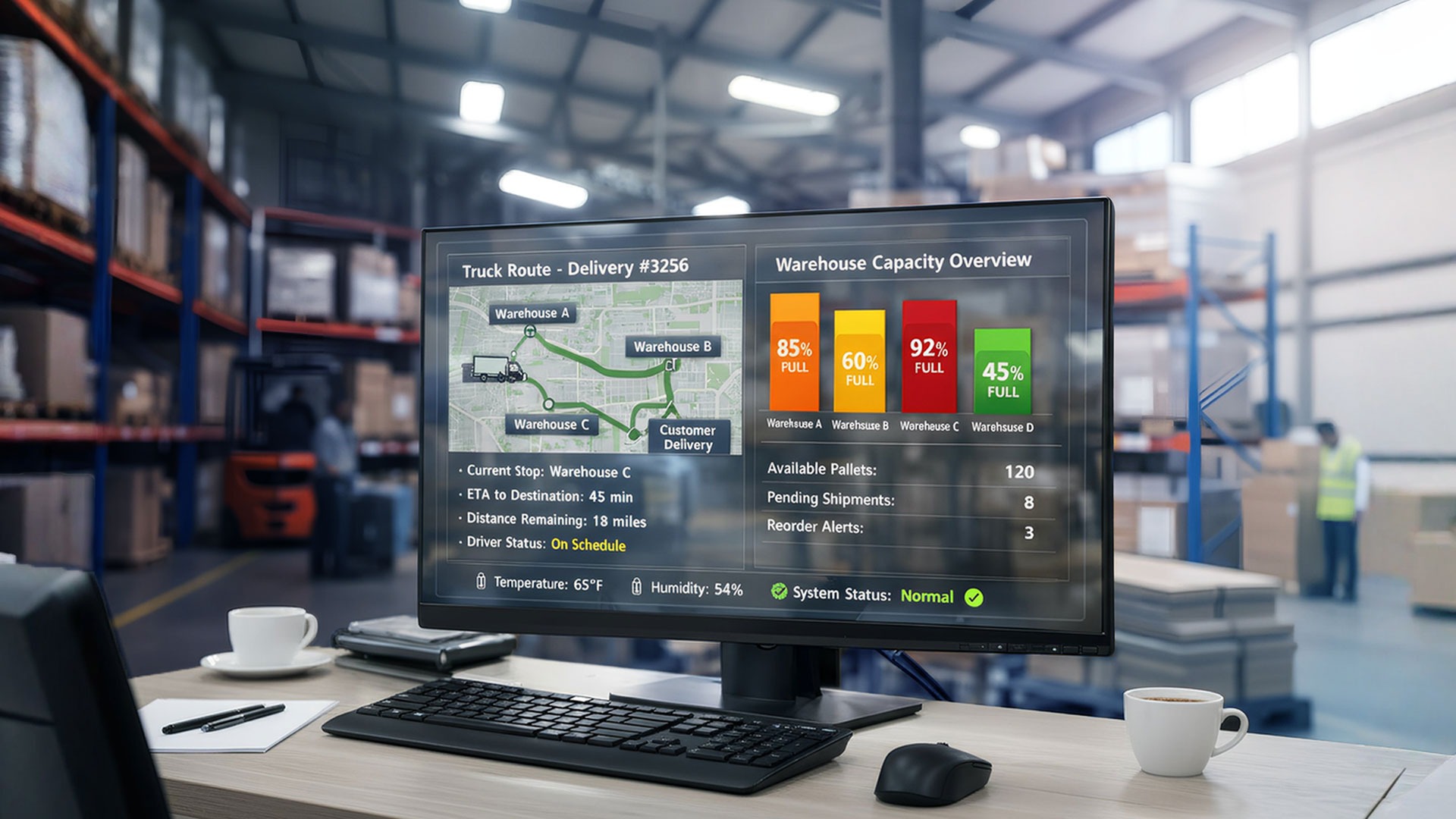
Modern GPS tracking provides complete shipment visibility from origin to destination, updating location every few minutes. But location is just the beginning. IoT sensors monitor shock, tilt, humidity, and temperature in real-time, creating a comprehensive environmental profile of each shipment.
Alert systems are the active component that transforms passive monitoring into damage prevention. When sensors detect conditions exceeding safe thresholds, the system immediately notifies drivers and logistics managers, enabling rapid intervention. According to research from the Council of Supply Chain Management Professionals, companies using real-time monitoring see damage reduction of up to 67%.
Route Optimization and Planning for Safer Transport
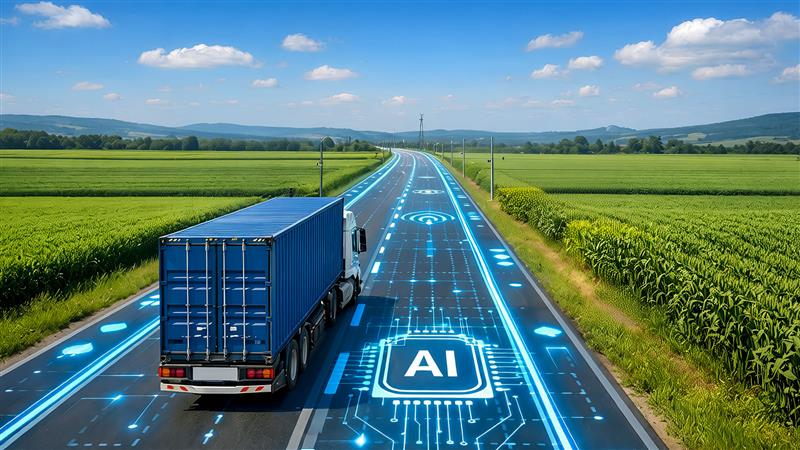
AI-powered route planning systems analyze vast amounts of data to identify the safest, most efficient paths. These systems consider road quality databases that rate pavement smoothness, traffic patterns, and historical damage data. The algorithms prioritize damage prevention over pure speed—a route might be 10 minutes longer but use newer highways with smooth surfaces.
Weather monitoring and dynamic rerouting have become essential capabilities. When systems detect severe weather along the planned route, they automatically calculate alternatives. This is particularly crucial for furniture transport, as wet conditions during loading/unloading can cause water damage.
Specialized Loading and Vehicle Technology
Air-ride suspension systems represent one of the most impactful vehicle technologies for furniture transport. Unlike traditional leaf-spring suspensions, air-ride systems use compressed air bladders that absorb impacts. Vibration levels can be reduced by 50-80%, protecting furniture from cumulative damage.
Climate-controlled cargo areas maintain stable temperature and humidity regardless of external conditions. Wood expands and contracts with humidity changes, leather becomes brittle in extreme cold, and fabrics can develop mildew. Climate control eliminates these risks while supporting delivery cost reduction through fewer damage claims.
Strategic placement during loading considers not just weight but also size, fragility, and delivery sequence. Heavy items on bottom, lighter on top, with weight distributed evenly across the truck bed. Securing methods now include ratchet straps with controlled tension, air cushions that fill gaps, and anti-slip materials.
Predictive Analytics and Machine Learning
AI systems analyze millions of data points to predict potential damage scenarios before they occur, considering hundreds of variables including furniture type, packaging materials, route characteristics, weather forecasts, and driver experience. The output is a risk score for each shipment, allowing logistics managers to apply extra precautions to high-risk loads.
Machine learning models optimize packing configurations by analyzing 3D models of furniture pieces and vehicle cargo areas, calculating optimal arrangements that maximize space utilization while minimizing damage risk. Research from MIT’s Center for Transportation & Logistics shows these systems can improve efficiency by 30-40%.
Cost-Benefit Analysis and ROI
Let me break down a realistic example. A mid-sized furniture retailer shipping 10,000 pieces annually with a 7% damage rate experiences 700 damaged items per year. At an average value of $1,200 per piece, that’s $840,000 in annual damage costs. After investing $150,000 in smart logistics, they reduce damage rates to 2.5%. Annual damage costs drop to $300,000, creating savings of $540,000—the technology pays for itself in less than four months!
Industry Success Stories
Wayfair revolutionized furniture e-commerce through logistics innovation, investing in proprietary technology that provides accurate delivery windows and real-time tracking. Customer satisfaction scores increased 23% and repeat purchase rates climbed 31% within two years.
Ashley Furniture partnered with specialized providers featuring GPS tracking and shock sensors. Within 18 months, damage rates dropped from 8.2% to 2.9%, saving an estimated $12 million annually.
Conclusion
Smart logistics isn’t just a buzzword—it’s a proven solution revolutionizing furniture transport! Companies implementing these systems see damage rates drop by 50-70%, customer satisfaction soar, and returns decrease dramatically.
The future of furniture transport is damage-free. The combination of advanced technology, data-driven decision making, and specialized expertise creates a protective shield around shipments from warehouse to living room.
Ready to transform your furniture logistics? Start by assessing your current damage rates, identifying vulnerability points, and implementing smart logistics solutions that align with your operational needs. The investment in smart logistics isn’t an expense—it’s insurance for your reputation, your bottom line, and your customers’ satisfaction!