
The $2 billion question: How do you pick an online truck booking app that actually works?
Here’s a stat that should make every founder wince: businesses burn 15-20 hours monthly hunting down reliable truck services the old-fashioned way. That’s three entire workdays vaporized on phone tag, rate haggling, and crossing your fingers that your local contact actually has a pickup truck for hire available when you need it.
The logistics sector globally is having its Uber moment. A wave of tech-enabled platforms is dismantling the informal networks that have dominated goods transportation for decades, replacing verbal commitments and handshake deals with APIs, real-time tracking, and algorithmic pricing. For businesses searching “mini truck rental near me” or scaling beyond makeshift transportation solutions, this shift isn’t just convenient, it’s existential.
But as with any gold rush, not all online truck booking apps are created equal. Some are genuinely transforming supply chains. Others are slapping a mobile interface on the same broken systems. Here’s how to tell the difference.
The Stack That Matters
The best online truck booking app platforms aren’t just digitizing traditional brokers, they’re rebuilding the infrastructure from scratch. The technical fundamentals separate real innovation from vaporware.
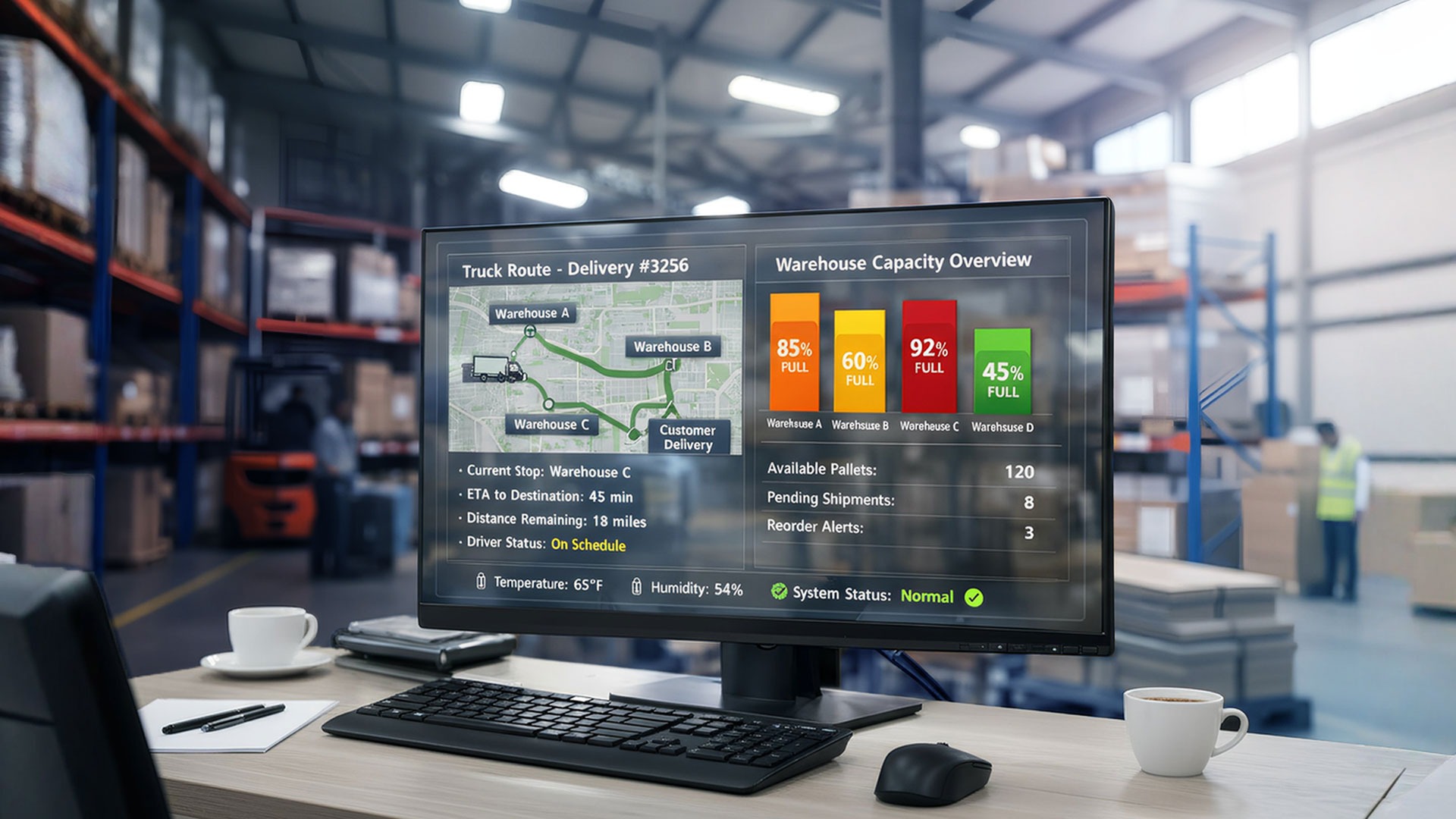
GPS tracking and geofencing form the baseline. If a platform can’t show you exactly where your shipment is with sub-100-meter accuracy, walk away. The sophisticated players use geofencing to trigger automatic alerts when drivers deviate from optimized routes, cutting both theft and inefficiency. According to McKinsey’s research on digital freight platforms, real-time visibility can reduce supply chain costs by up to 30%.
Dynamic pricing algorithms represent the next evolution. Fixed-rate models feel safe but leave money on the table. The platforms worth watching use machine learning to balance supply and demand in real time, factoring in traffic patterns, seasonal fluctuations, and historical route data. When executed well, shippers save 30-40% during off-peak periods while carriers maximize utilization.
Fleet management APIs enable the holy grail: seamless ERP integration. If your mini truck rental or full truckload service platform doesn’t plug directly into your existing tech stack inventory systems, e-commerce backends, accounting software, you’re adding friction instead of removing it. Enterprise clients won’t tolerate manual data entry in 2025, and the leading platforms understand this fundamental requirement.
Fleet Diversity and Vehicle Options
The best online truck booking app should offer comprehensive vehicle options matching your exact needs. Whether you’re booking a compact van for document delivery, a pickup truck for hire for small loads, searching for mini truck rental near me options for local moves, or arranging full truckload services for bulk shipments, the platform’s fleet diversity directly impacts your operational flexibility.
Platforms with limited vehicle categories force you to overpay for oversized trucks or cobble together multiple trips with undersized vehicles. The sophisticated operators maintain diverse fleets with real-time availability checking, transparent capacity specifications, and instant booking confirmations across all vehicle types.
The Unit Economics Tell the Story
Pricing transparency separates the serious players from the pretenders when evaluating the best online truck booking app options. Here’s what to interrogate:
Look beyond the advertised per-kilometer rate. The total delivered cost includes fuel surcharges (volatile), toll fees (route-dependent), waiting time charges (often substantial), and loading assistance. Platforms displaying all-in pricing upfront have confidence in their value proposition. Those with asterisks and fine print usually deserve skepticism.
For companies with consistent shipping volume, subscription models flip the game. Instead of optimizing individual bookings for pickup truck for hire services, you’re negotiating bulk rates with predictable monthly costs. The savings hit 25-35% for businesses shipping 50+ loads monthly, and the operational simplicity compounds over time.
Payment terms matter more than founders initially assume. The platforms offering net-30 or net-60 terms to established businesses understand B2B logistics. Consumer-focused apps requiring prepayment may offer convenience for one-off shipments but become friction points for companies running on standard receivables cycles.
Risk Mitigation Isn’t Optional
Cargo insurance reveals how seriously a platform takes its value proposition. Basic coverage should be included, not upsold. Understand the coverage limits, many platforms cap compensation at inadequate amounts for electronics, pharmaceutical, or high-value shipments. Enhanced coverage options should be available at reasonable premiums.
The claims process matters as much as the policy. Platforms with automated claims submission, 48-hour review timelines, and transparent resolution procedures have done the operational work. Those requiring extensive documentation, manual reviews, and vague timelines haven’t.
Driver verification standards separate consumer and enterprise platforms. Background checks, license verification, insurance confirmation, and safety training should be mandatory, not optional. The leading online truck booking apps maintain driver scorecards incorporating on-time performance, cargo handling, and customer ratings. This data-driven approach to quality control scales in ways that relationship-based vetting never could.
Geographic Coverage and Service Reliability
Whether you need mini truck rental near me options or nationwide full truckload services, geographic reach directly impacts operational efficiency. Major metropolitan areas typically have excellent coverage, but the best platforms extend to secondary markets and critical inter-city routes.
Reliability metrics matter more than promotional promises. Research the platform’s on-time delivery rates, which should exceed 95% for professional-grade services. Research from the World Bank on global logistics performance shows that unreliable transportation significantly impacts business competitiveness, making platform reliability a strategic issue, not just a convenience factor.
Service level agreements (SLAs) provide concrete performance commitments. The best online truck booking app options offer written guarantees with compensation clauses for service failures. This accountability separates serious providers from those making empty promises.
Technology Integration and User Experience

Modern businesses require platforms that integrate seamlessly with existing workflows. The best online truck booking app should offer robust API connectivity for ERP systems, inventory management platforms, and e-commerce backends. This automation eliminates manual data entry, reduces errors, and scales efficiently as your business grows.
The booking process itself reveals platform maturity. Can you complete a booking in three clicks or less? Does the system remember frequent routes and cargo specifications? Can team members access the platform with role-based permissions? These user experience factors significantly impact daily operational efficiency.
Mobile responsiveness isn’t negotiable. Your team needs booking capabilities from anywhere—warehouse, road, or remote office. The app should function smoothly across devices with offline capabilities for areas with poor connectivity. Real-time notifications, delivery confirmations, and digital documentation should work seamlessly on mobile platforms.
Customer Support Infrastructure
When urgent shipments face delays or issues arise, 24/7 support accessibility becomes invaluable. The best platforms offer multiple contact channels, phone, chat, and email with trained representatives who can resolve problems quickly rather than following scripts.
Look for platforms with dedicated account managers for enterprise clients. This relationship-driven approach ensures someone understands your specific routing needs, timing requirements, and operational constraints. The cost savings from prevented issues far exceed any premium for enhanced support.
Due Diligence Checklist
Before committing operational capacity to any online truck booking app:
Run test bookings across your most common routes. Theory meets reality when your actual goods move with real deadlines. Small pilot programs reveal reliability, communication quality, and hidden costs that demos never show.
Interview existing customers in your vertical. Every platform will provide glowing references if asked, but cold-calling businesses in your industry offers unvarnished truth about day-to-day performance, whether you’re booking pickup trucks for hire or arranging mini truck rental near me services.
Scrutinize the SLA with legal counsel. Guaranteed delivery windows, compensation for failures, force majeure clauses, and liability caps all live in these documents. The platforms confident in their operations offer meaningful commitments. Those hedging with vague language usually perform accordingly.
Calculate total cost of ownership beyond per-shipment rates. Factor in integration costs, training time, efficiency gains from automation, and the opportunity cost of logistics management hours your team currently burns. The most expensive platform on a per-booking basis frequently delivers the lowest TCO.
Test mobile functionality extensively. Download the app, simulate real booking scenarios, and evaluate the interface under actual working conditions. Does it maintain functionality during poor connectivity? Can drivers easily update delivery status? Are customer notifications clear and timely?
Red Flags to Watch For
Certain warning signs should trigger immediate skepticism when evaluating any online truck booking app:
Opacity around pricing – If you can’t get a clear quote without providing extensive contact information or scheduling sales calls, the platform likely hides costs deliberately.
Limited technology integration – Platforms without API access or that require manual data export/import haven’t invested in the infrastructure enterprise clients demand.
Poor driver retention signals – High driver turnover (evidenced by constantly changing faces or frequent “new driver” notifications) indicates underlying operational or payment issues that will eventually impact your shipments.
The Bottom Line: Your Logistics Platform Becomes Your Competitive Moat
The global logistics infrastructure is undergoing the kind of fundamental disruption that only happens once per generation. The best online truck booking app platforms emerging from this transformation aren’t just tools, they’re strategic assets that compound competitive advantages over time.
Here’s what the data tells us: businesses adopting AI-enabled logistics platforms report 40% cost reductions and 60% time savings compared to traditional methods. More critically, they gain operational agility that legacy competitors can’t match. When your logistics infrastructure responds in real-time to demand shifts, handles exception scenarios automatically, and optimizes routing using machine learning, you’re not just moving goods faster, you’re fundamentally changing your unit economics.
The stakes are higher than you think. Your competitors are already evaluating these platforms. The ones who move first gain structural advantages that become harder to overcome as network effects compound. Every shipment through a modern platform generates data that improves future routing. Every carrier relationship strengthens the network. Every integration with your tech stack creates switching costs that protect your competitive position.
The decision framework is clear: prioritize reliability over promotional pricing, demand transparency over vendor promises, and select platforms investing in AI infrastructure rather than sales commissions. Whether you’re sourcing full truckload services for bulk shipments or finding reliable mini truck rental near me options for local deliveries, the platform you choose either accelerates your trajectory or becomes dead weight.
Companies like Wahyd Logistics represent the vanguard of this transformation, AI-first operations, global scale with regional expertise, and enterprise-grade reliability that traditional freight forwarders simply cannot match. The platform’s expansion across the Middle East, South Asia, and into North America demonstrates how the best logistics technology scales without sacrificing service quality.
Your next move matters. Start by identifying your three most critical logistics requirements: cost, speed, reliability, geographic coverage, integration capabilities. Then systematically evaluate platforms against those criteria using real-world pilot programs, not vendor demos. Talk to current customers in your industry. Examine the SLAs with legal counsel. Calculate total cost of ownership including integration expenses and time savings.
The question isn’t whether to adopt modern online truck booking apps. That ship has sailed. The question is whether you’ll lead this transition or spend the next decade playing catch-up with competitors who made the leap earlier. The platforms that win aren’t just marginally better, they’re architecturally different, built on AI, APIs, and network effects that create compounding advantages.
Take action now: If you’re serious about transforming logistics from cost center to competitive advantage, explore Wahyd Logistics or start systematic evaluation of platforms serving your regions. Your future market position depends on decisions you make today about infrastructure that will define your operations for years to come.
The disruption is here. The platforms are proven. The only remaining question is whether you’ll be early or late to this inevitable transition.